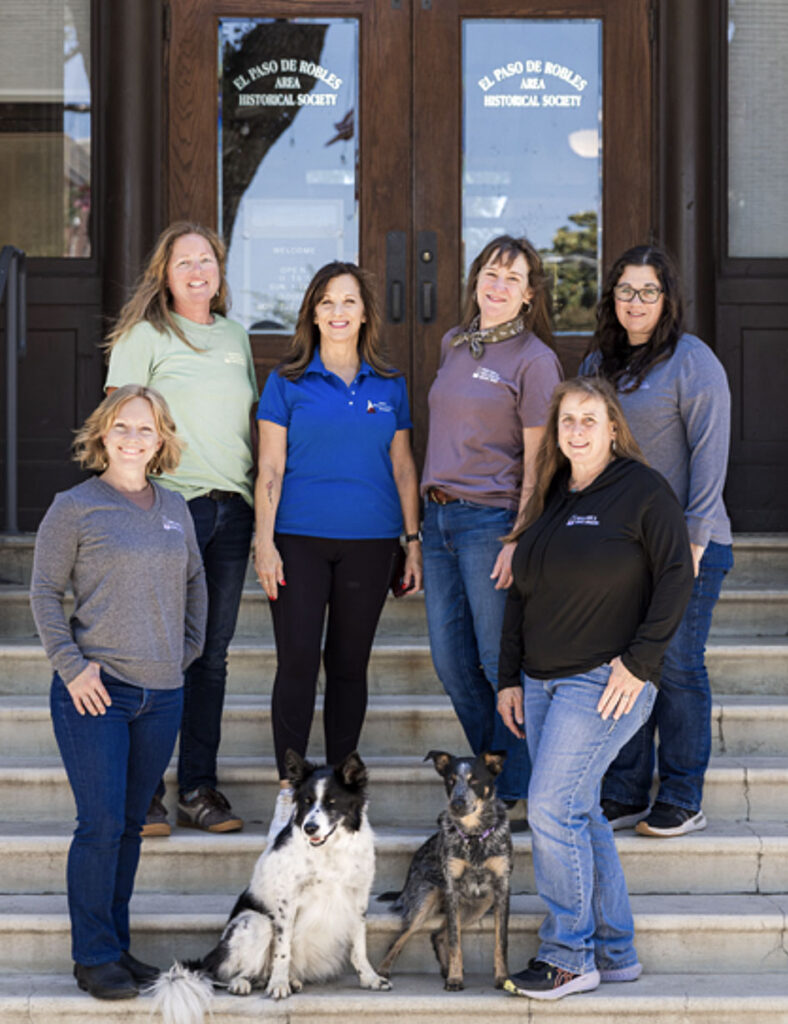
For more than two decades, Baker Wine & Grape Analysis (BWGA) has been a trusted analytical partner to wineries throughout California’s Central Coast and beyond. Founded in 2002, the laboratory has grown from a specialized wine testing facility into a comprehensive analytical laboratory serving the wine, grape, olive oil, distilled spirits, kombucha, cider, and brewing industries.
Among the many tests performed by the laboratory, pH remains one of the most frequently requested and important measurements, making efficiency and consistency essential.
Today, BWGA operates from its Paso Robles laboratory running anywhere from 50 to 1000 automated pH measurements per week, and these days, much of that work runs through a Rapid pH automated analyzer the team has nicknamed “pHil.”
From grape maturity assessment through fermentation and final bottling, pH plays a critical role throughout the winemaking process, influencing everything from flavor balance to stability to the final pour in your glass.
“Winemakers check their pH values regularly, beginning before harvest and continuing through bottling,” explains Heather Mikelonis, President of BWGA. “pH is a maturity indicator in grapes, affects fermentation health, influences flavor and style, impacts color expression in red wines, and can even provide early warning signs of developing issues within the wine.”
Before Rapid pH, BWGA ran every sample by hand on the benchtop meter, which was effective, but labor intensive.
“We were running samples one at a time,” says Heather. “To improve throughput, we eventually set up two meters so that we could analyze two samples simultaneously, but one person could still spend several hours performing pH measurements…staff couldn’t really move on to other tasks before it was time to start the next measurement.”
Already automating many operations elsewhere in the lab, the team set out to find an automated pH solution as well.
“We had been looking for an automated pH analyzer for several years before we came across Rapid pH.”
Today, “pHil has become a natural part of the workflow.”
“pHil fits in well. It shares a bench with two other automated analyzers, and the waste is plumbed directly into our main drain.”
The lab uses Rapid pH to analyze wine and juice samples, typically processing batches ranging from a few samples up to 60 samples at a time.
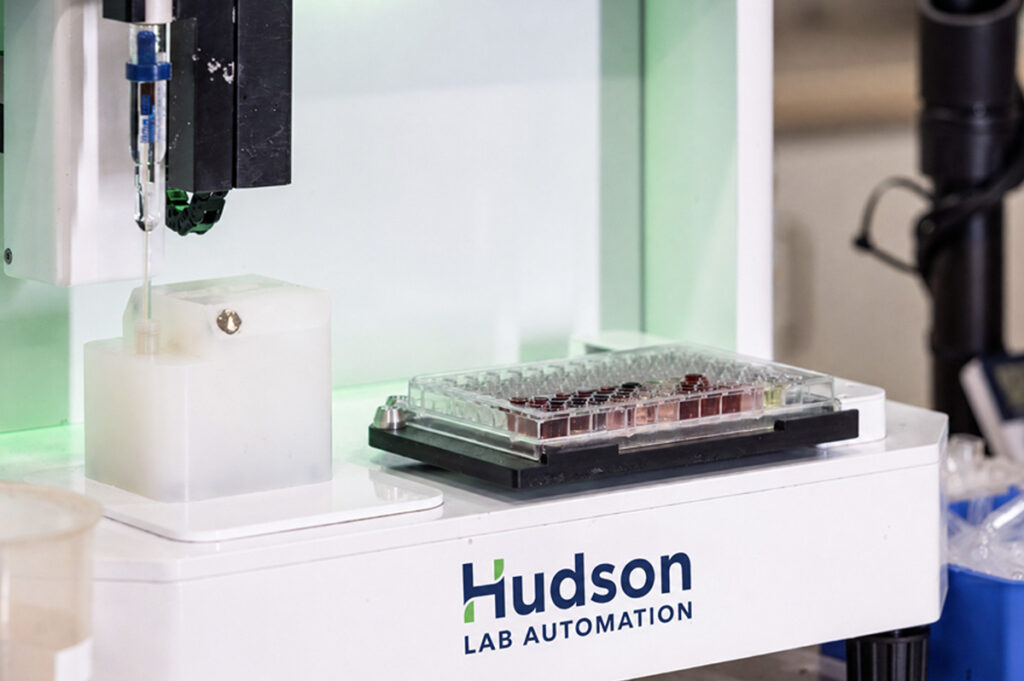
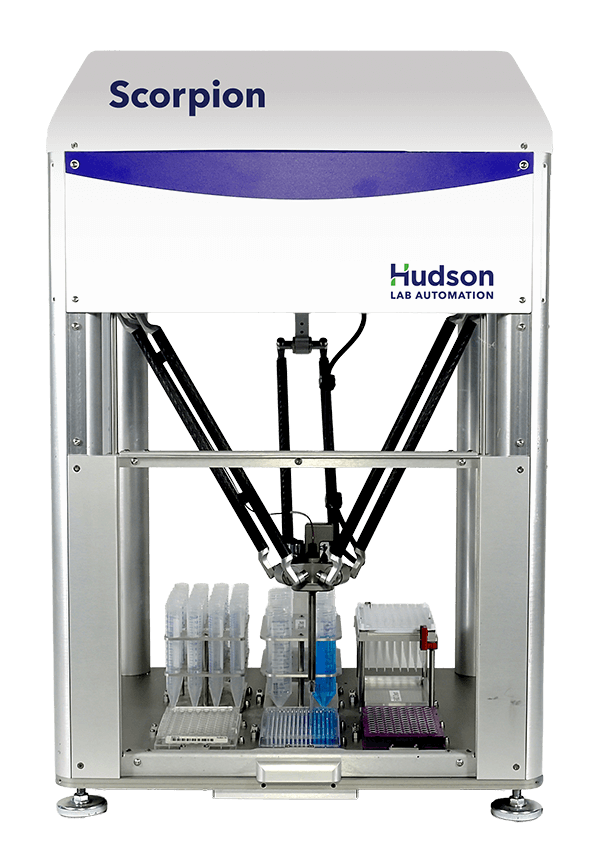
“pHil” the Hudson Lab Automation Rapid pH instrument
The most significant benefit of Rapid pH has been the ability to free laboratory staff from repetitive manual measurements.
“pHil has had a wonderful impact on our processes,” says Heather. “We are able to load a batch of samples and then move on to other laboratory tasks while the instrument does the work.”
Instead of dedicating a technician to continuous pH measurements, staff can focus on operating other analytical systems, preparing samples, reviewing results, or completing quality-related activities.
In addition to improving workflow efficiency, BWGA has also benefited from digital data capture and long-term record retention, an important advantage for a laboratory accredited to ISO 17025:2017 through A2LA. Unlike the previous manual workflow, pH results are now automatically stored in a digital format, making them easy to retrieve for audits, accreditation requirements, and historical review.
“Now that the results are digital, they are easy to store long term, and we can always refer back to them if needed,” says Heather. “Retention of records is imperative to maintain our accreditation status. It’s also extremely useful to be able to review historical data whenever necessary.”
Entering sample IDs by hand is its own small bottleneck, so the BWGA team especially values being able to import sample lists straight from Excel.
“Being able to import a sample list is excellent. It’s much easier to enter sample IDs in Excel than through the instrument software.”
Reviewing results is easier too, with data available in both plate-layout and list-based formats depending on what the task calls for.
Combined with automated data export and centralized storage, these capabilities help streamline daily laboratory operations.
After years of use, Rapid pH has become an integral part of BWGA’s analytical workflow.
“What we like most is the ease of use, automation, compact footprint, and data retention capabilities.”
When asked what they would tell another wine testing laboratory considering automation, Heather’s response is straightforward:
“It’s a great instrument that is very reliable and a huge time saver.”
Copyright 2026 ® Hudson Lab Automation
Get the details in "Adaptable Automation for Rapidly Changing Labs"